Insights
Comparing Traditional vs. AI-Powered Photo Editing
James Wilson
Professional Photographer
January 18, 2023 · 7 min read
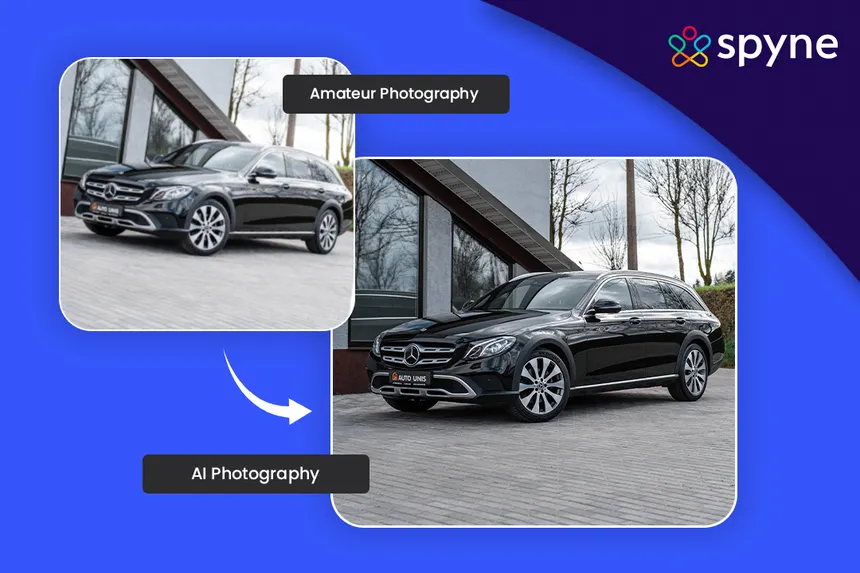
The photography world is divided between purists who prefer manual editing and innovators embracing AI tools. The truth is both approaches have their place—here's our professional recommendation on when to use each.
Cases Where AI Excels
AI tools are particularly strong for:
- Batch processing large numbers of images
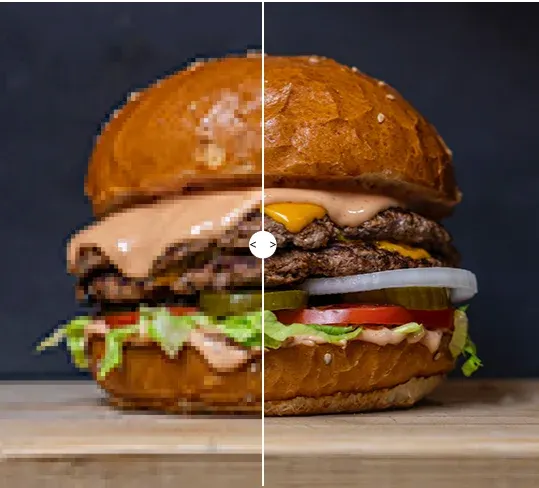
- Technical corrections (noise reduction, sharpening)
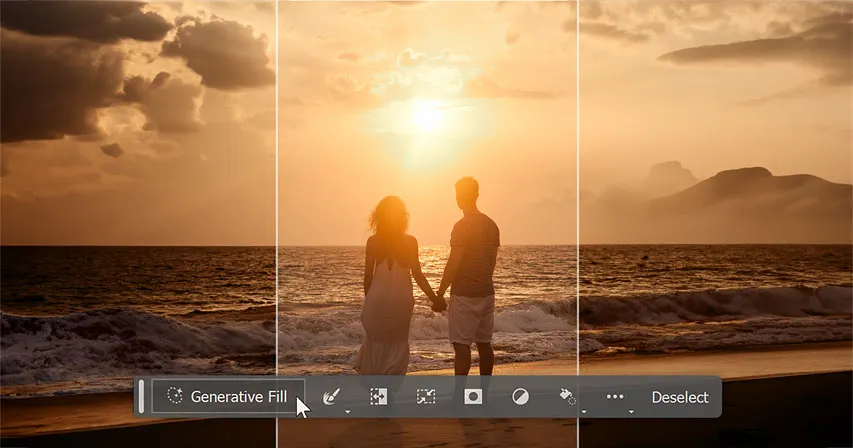
- Object removal and background editing
- Style-consistent edits across a series
- Accessibility enhancements (auto-captioning, alt-text generation)
When Manual Editing Still Reigns
Human judgment is still superior for:
- Creative conceptual work
- Fine art photography with specific visions
- Precise local adjustments requiring artistic discretion
- Brand-specific color grading needs
- Correcting AI artifacts or unusual cases
The Hybrid Workflow
Most professionals find an 80/20 approach works best:
- Let AI handle initial technical corrections
- Use AI suggestions as starting points
- Make manual adjustments for creative control
- Use AI again for final output optimization
Performance Comparison
| Task | Traditional Time | AI Time | Quality Difference |
|---|---|---|---|
| Background Removal | 15-30 min | 15-30 sec | AI often better |
| Portrait Retouching | 20-45 min | 2-5 min | Manual more precise |
| Color Grading | 10-20 min | 1-3 min | Depends on style |
The future belongs to photographers who can skillfully combine both approaches to maximize efficiency without sacrificing creativity.
Tags:
WorkflowComparisonPhotography