Technology
How We Built Our Real-Time Image Enhancement API
Lisa Zhang
Systems Architect
December 5, 2022 · 9 min read
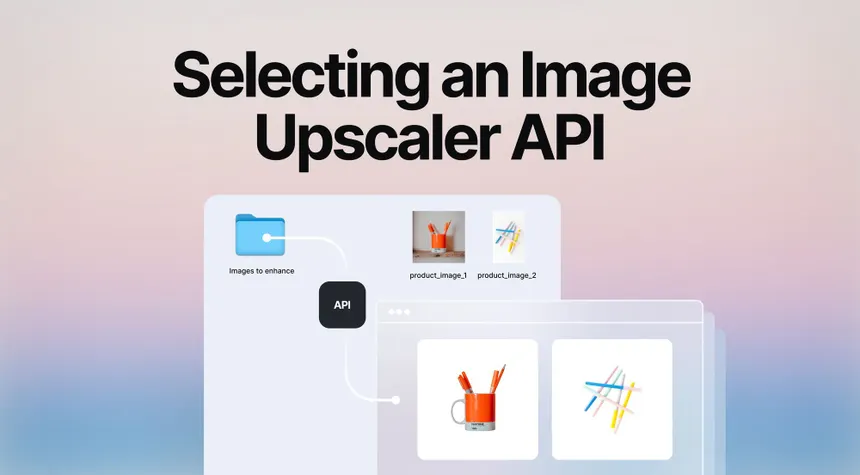
Our Image Enhancement API processes over 5 million images daily with average latency under 300ms. Here's the technical story of how we built this high-performance system.
System Architecture Overview
The three core components:
- Edge Processing Nodes: Distributed globally to minimize latency
- Model Orchestrator: Selects the optimal AI model for each request
- Result Cache: Stores frequently accessed transformations
Key Technical Challenges
1. Latency Reduction
Solutions we implemented:
- Model quantization to reduce size without quality loss
- Pre-warming GPU instances during peak periods
- Smart request batching
2. Cost Optimization
Our innovative approaches:
- Spot instance utilization with failover
- Adaptive model selection based on content complexity
- Cold storage archiving of intermediate results
Benchmark Results
Comparison of our API vs. major competitors (lower is better):
| Service | P50 Latency | P99 Latency | Success Rate |
|---|---|---|---|
| GraphiXo | 285ms | 420ms | 99.98% |
| Competitor A | 510ms | 1200ms | 99.2% |
| Competitor B | 380ms | 950ms | 99.7% |
Lessons Learned
Key takeaways from our development process:
- Optimizing for the 99th percentile is more important than average case
- Different image types need fundamentally different processing pipelines
- Client-side preprocessing can dramatically reduce server load
- Comprehensive image metadata is crucial for smart processing
We're continuing to innovate with upcoming features like region-specific processing and adaptive quality scaling based on network conditions.
Tags:
APIPerformanceEngineering